On the frontier of Cyclone Remal

On the frontier of Cyclone Remal

On the frontier of Cyclone Remal

Uthal Pathal

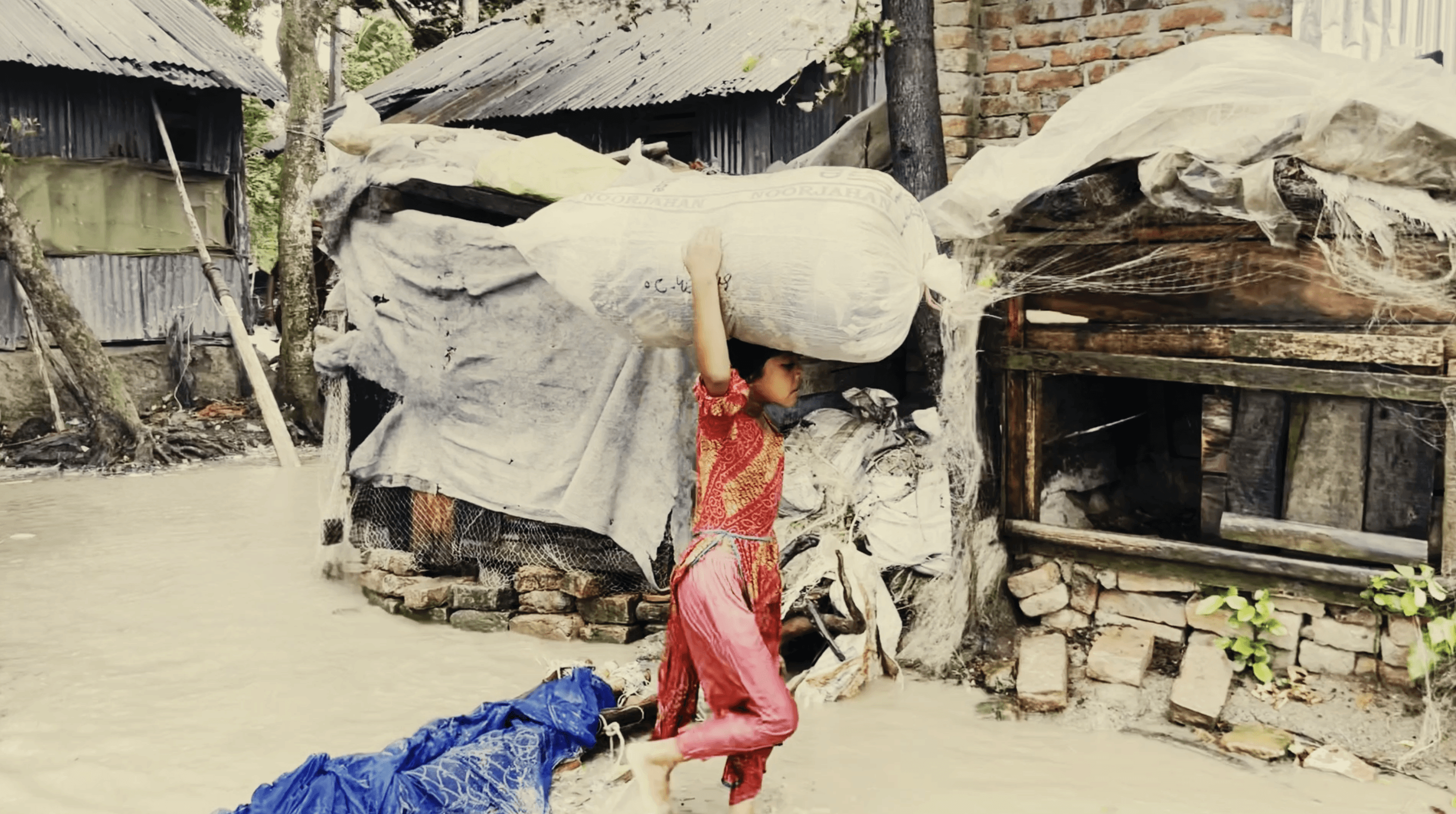
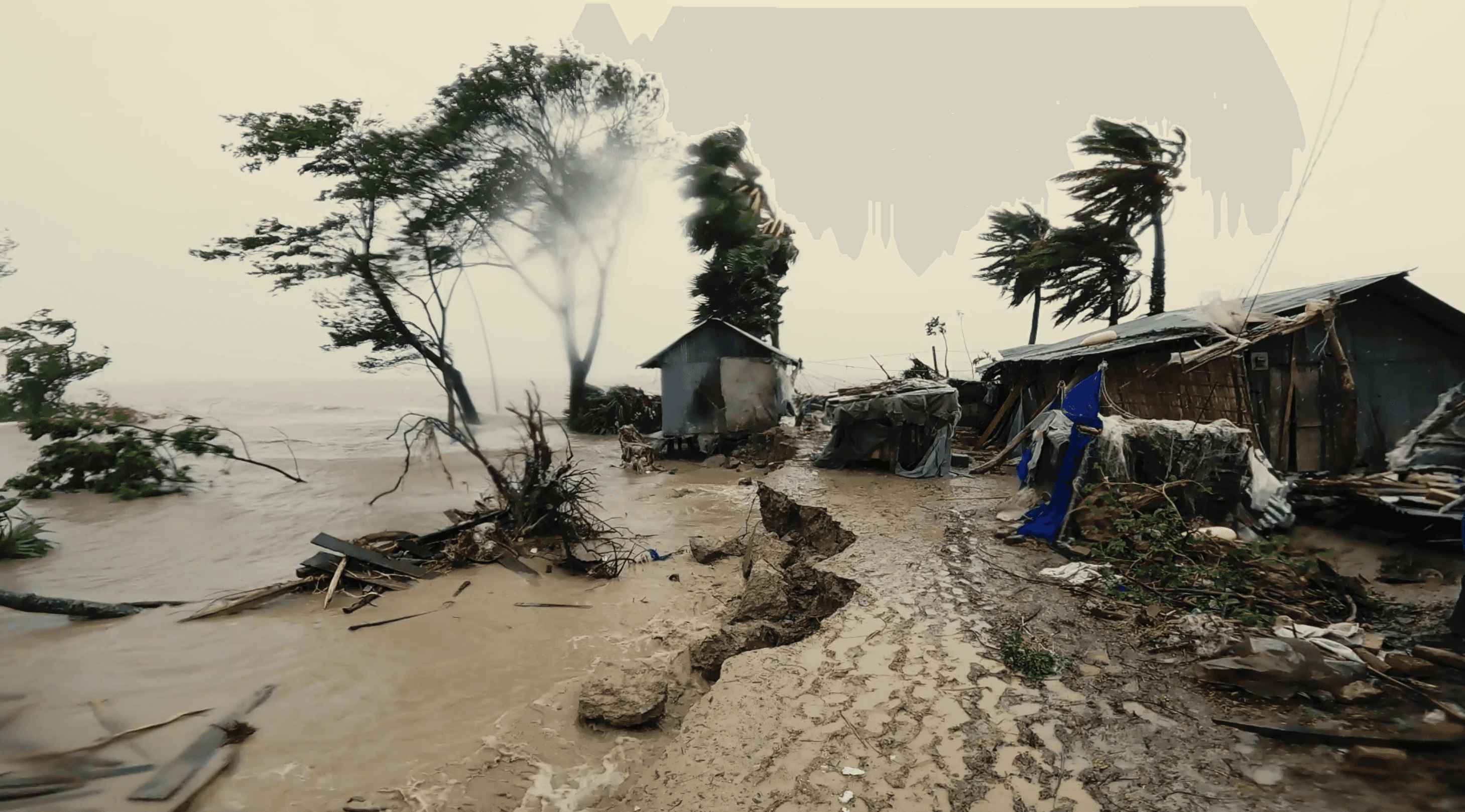
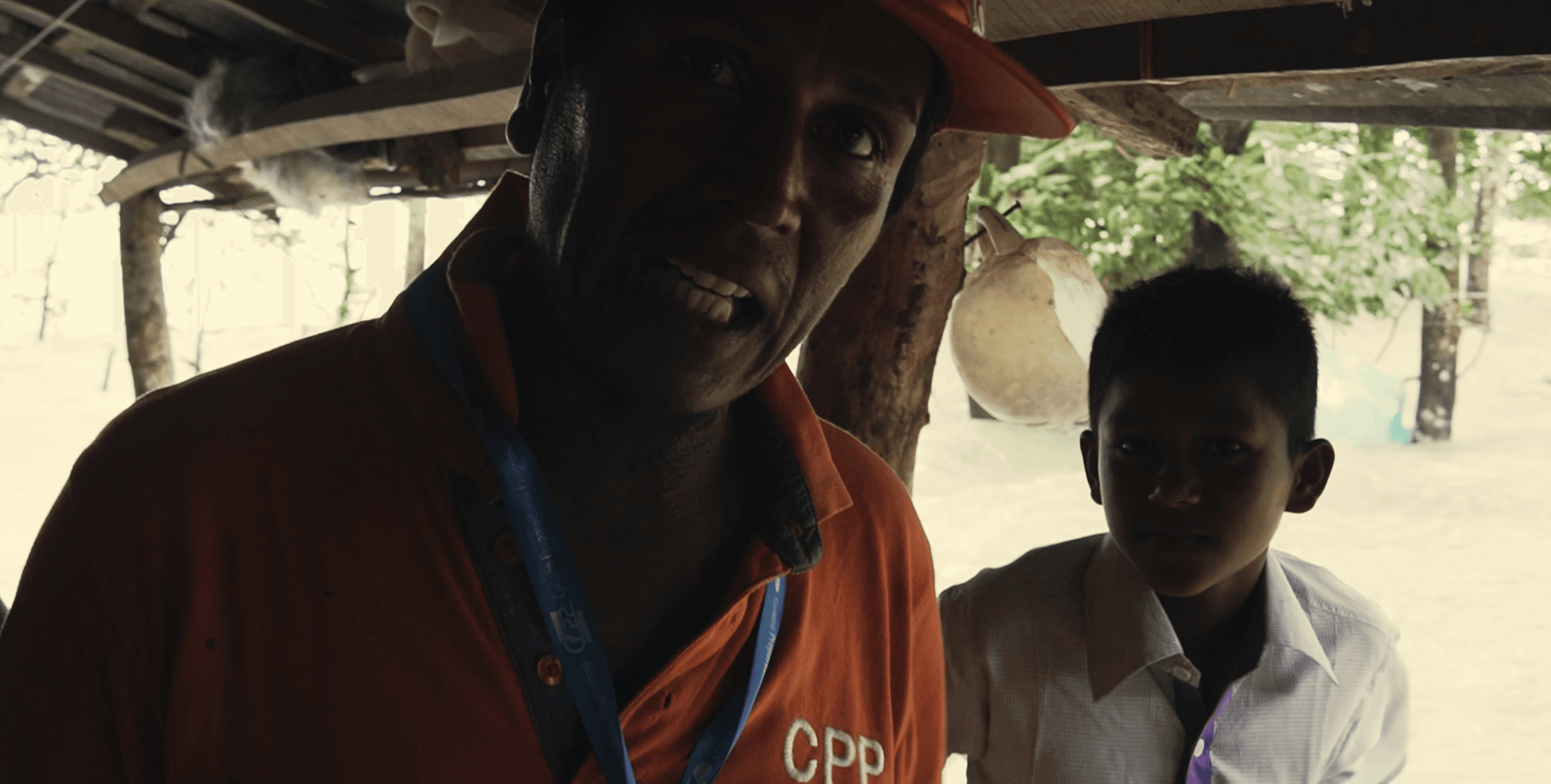
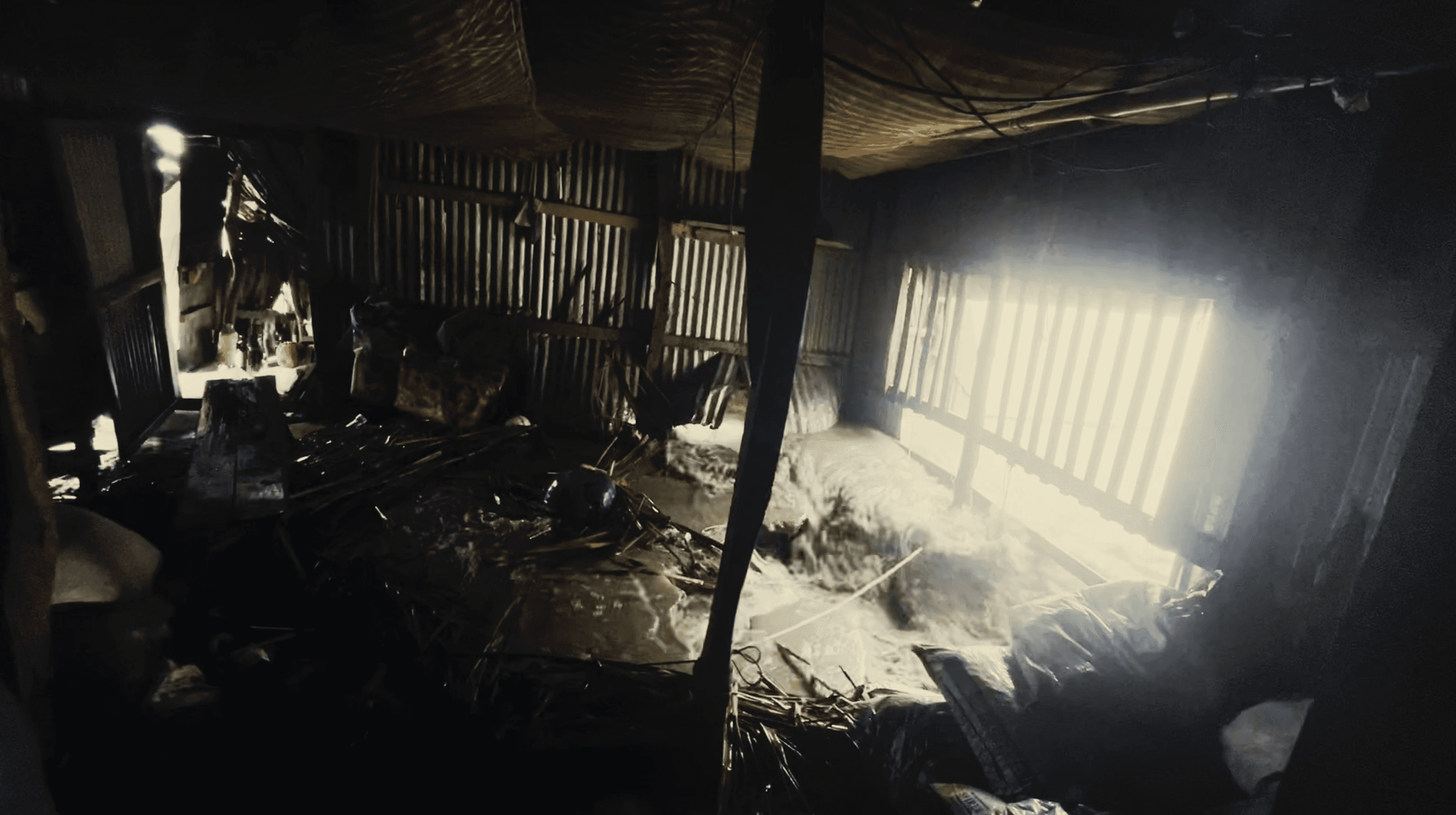
This project documents what it means to live through a cyclone from the frontlines, as we prepared ahead of landfall, embedded ourselves in a coastal community in Bangladesh, and stayed throughout the storm while power, communication, and media presence disappeared.

Independently produced with direction support from Mashrukur Rahaman Khan and backed by Stories of Change, this was a raw, low-budget rapid-response film made to document the community’s struggles as they unfolded.

Despite advance research and preparation, the experience revealed how disaster preparedness often fails to account for what communities truly lose—emotional security, ancestral land, family graves, and a sense of continuity—highlighting forms of non-economic loss that cannot be calculated.

Despite advance research and preparation, the experience revealed how disaster preparedness often fails to account for what communities truly lose—emotional security, ancestral land, family graves, and a sense of continuity—highlighting forms of non-economic loss that cannot be calculated.

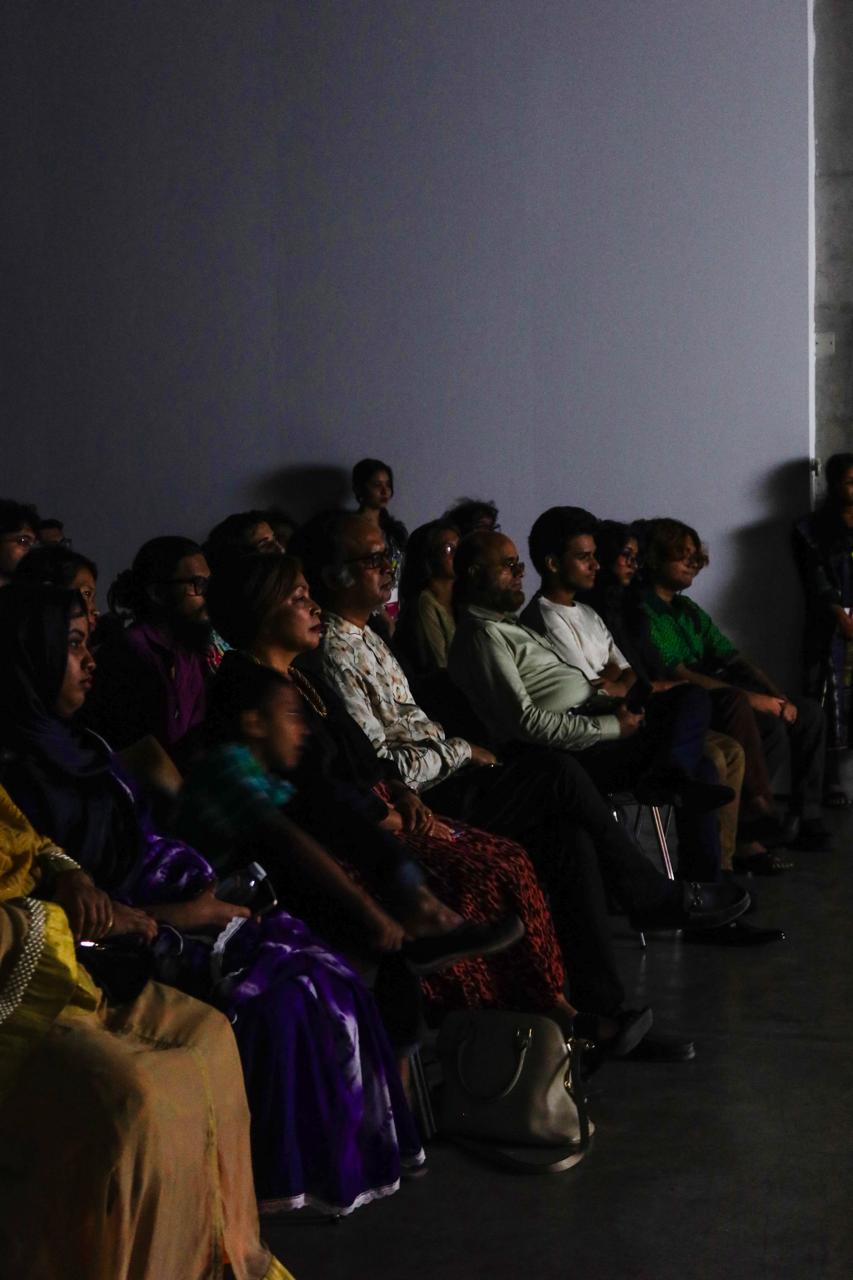
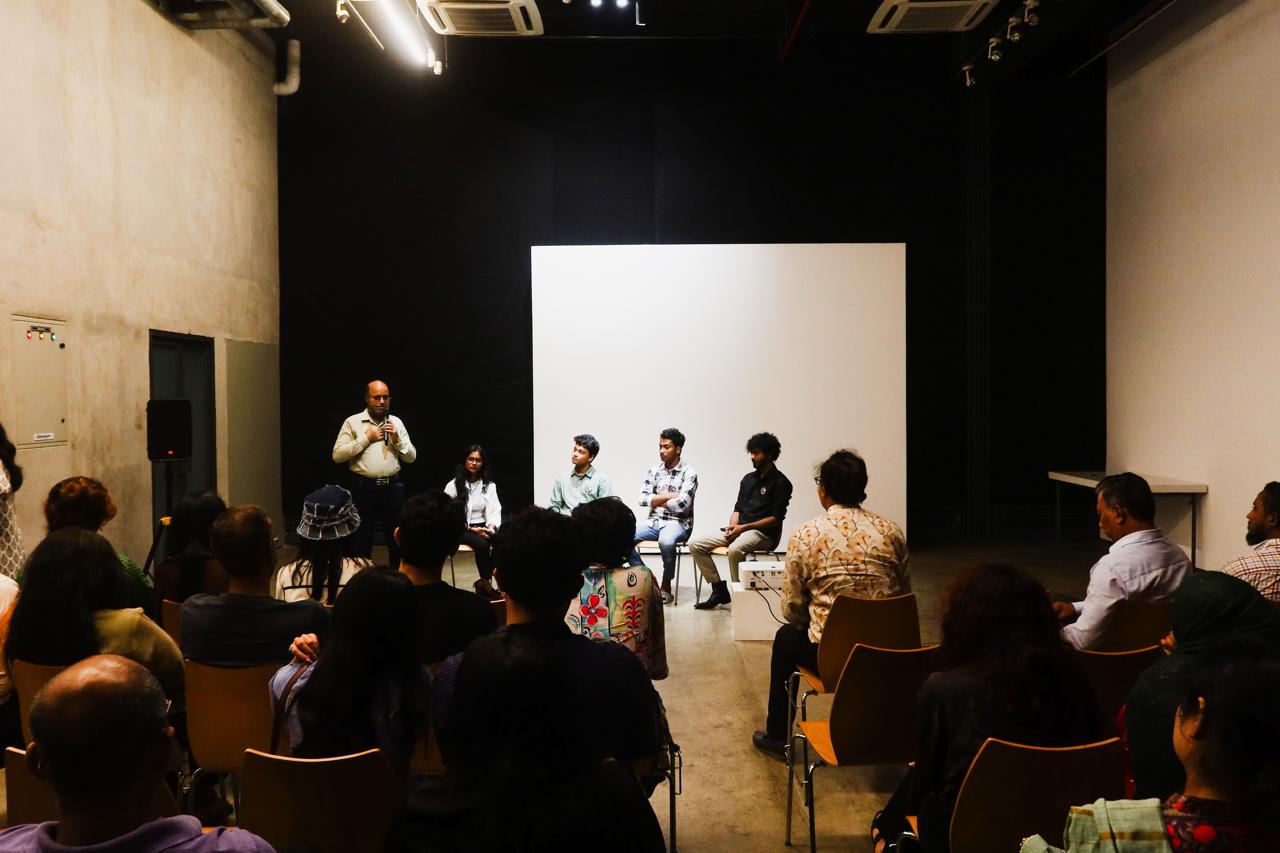
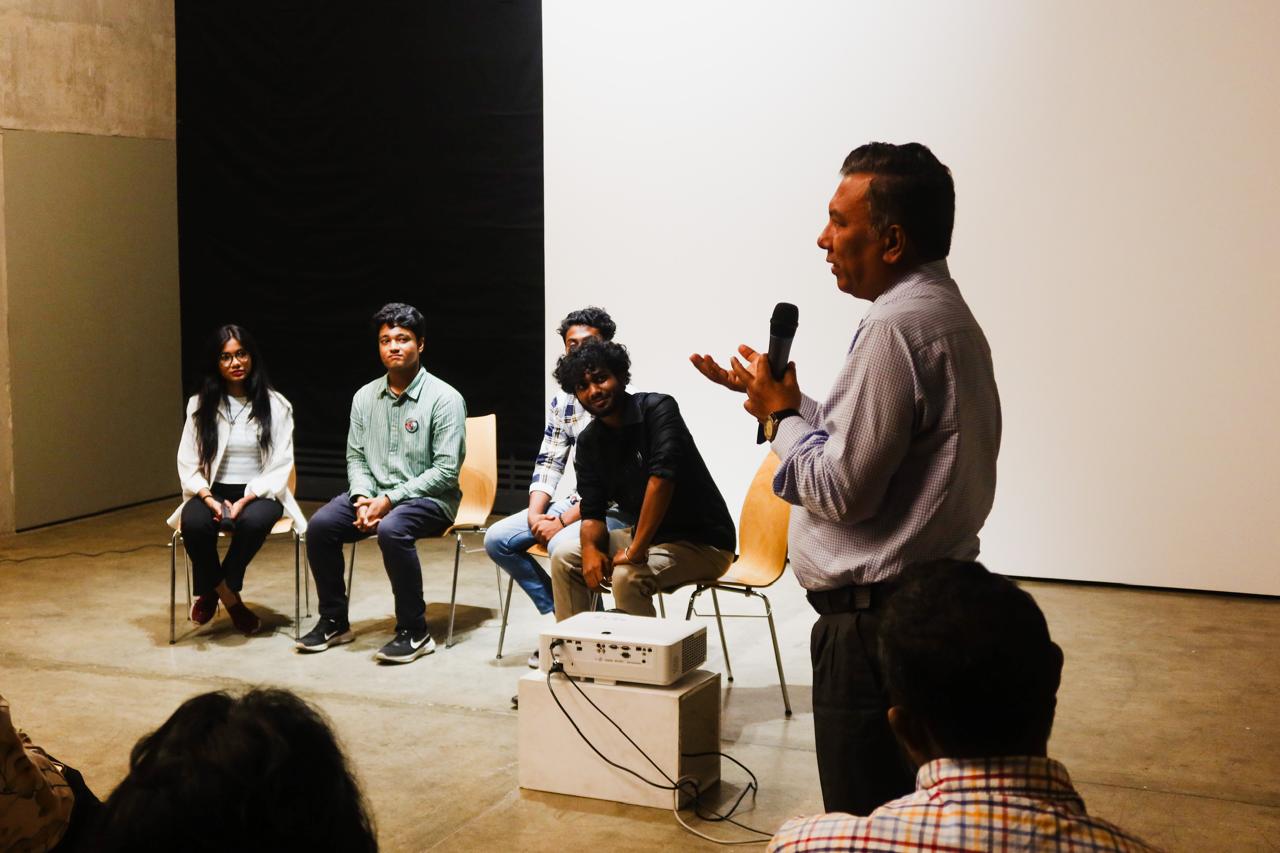
Within weeks of the cyclone, we hosted a screening with senior stakeholders from NGOs, government, civil society, research, and activism to open dialogue on how meaningful support can reach affected communities, and we ensured the space included Zishan, a youth from Nishanbaria, to speak in his own voice.
Within weeks of the cyclone, we hosted a screening with senior stakeholders from NGOs, government, civil society, research, and activism to open dialogue on how meaningful support can reach affected communities, and we ensured the space included Zishan, a youth from Nishanbaria, to speak in his own voice.
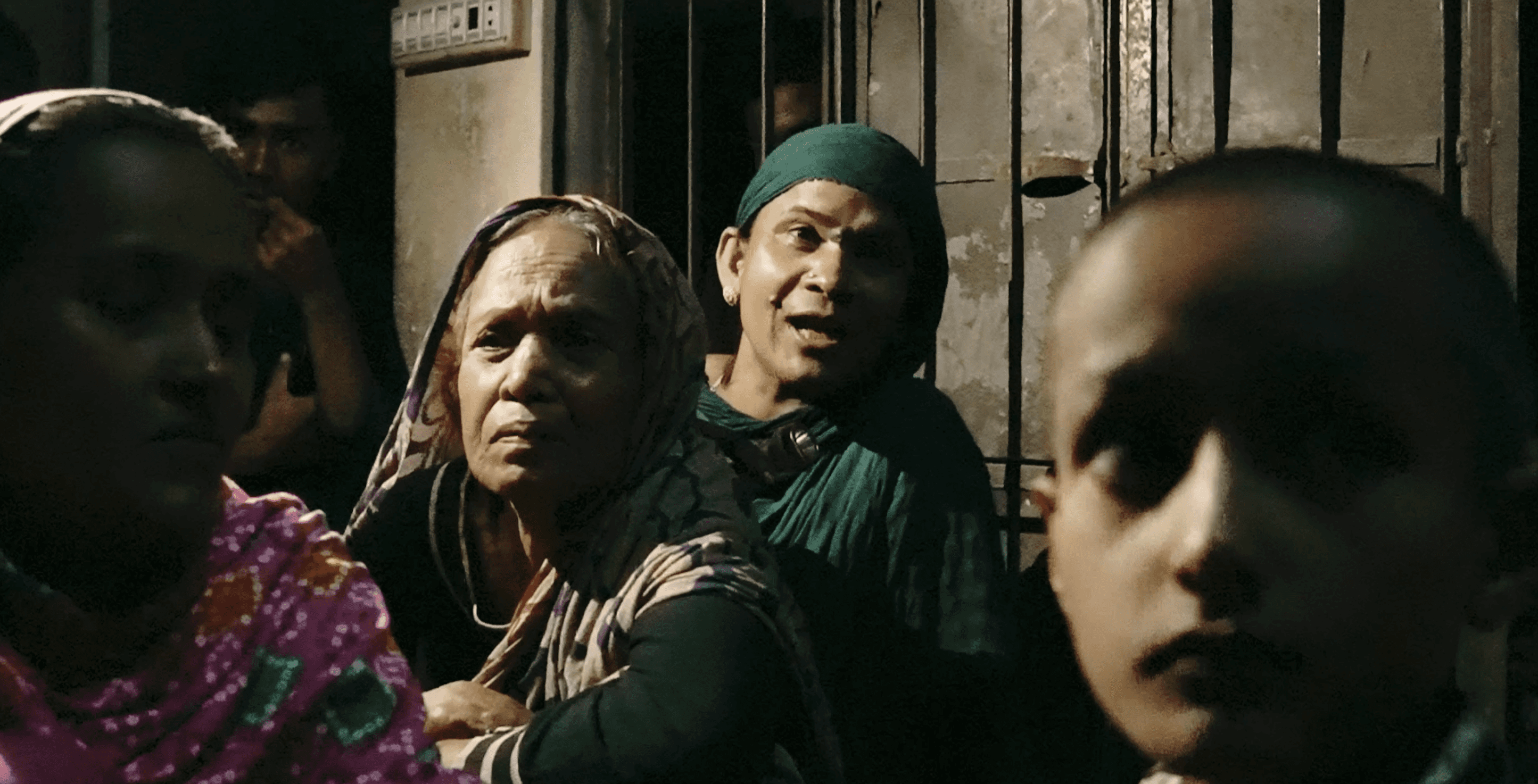
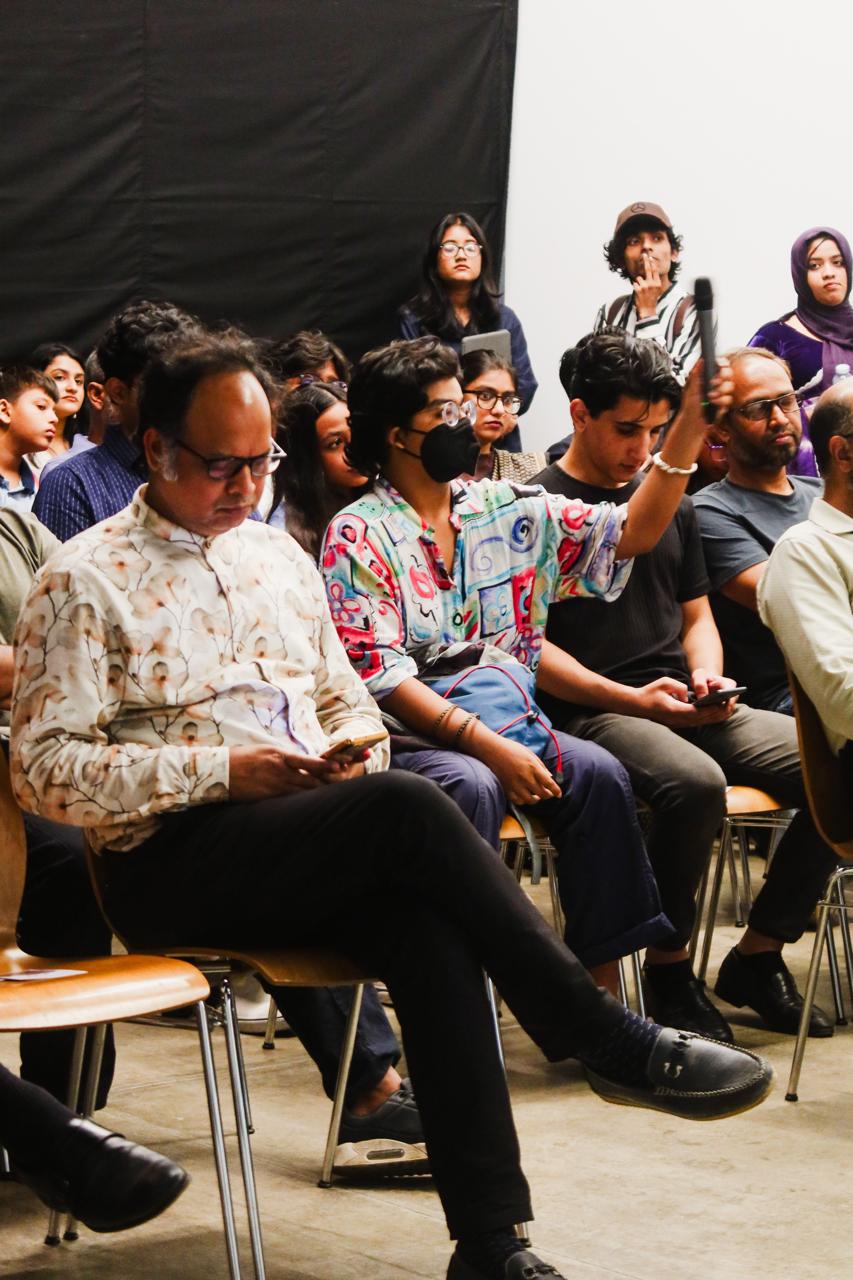
The screening provoked strong emotional responses, and while one government official dismissed the film as critical of state action, the broader audience—including institutional stakeholders—affirmed the reality shown and emphasized the urgent need to support communities adapting to escalating climate loss and damage.

The screening provoked strong emotional responses, and while one government official dismissed the film as critical of state action, the broader audience—including institutional stakeholders—affirmed the reality shown and emphasized the urgent need to support communities adapting to escalating climate loss and damage.